The Canterbury Tales
In the spring of 1387 a company of pilgrims meets at an inn in Southwark and agrees to pass the ride to Canterbury by telling stories. Out of that simple idea Geoffrey Chaucer made the liveliest poem in English: a knight, a miller, a prioress, a pardoner and two dozen others, each given a voice of their own.
This site is a guide to the poem and to the city at the end of the road. Read about Chaucer and his pilgrims, what daily life in medieval England was actually like, and what there is to see in Canterbury today.
Browse the site
Worth reading first
Chaucer and his Tales
About Geoffrey Chaucer… Geoffrey Chaucer, born in London in around 1343AD, is a poet of the Middle Ages, widely known as the Father of Engli…
Medieval England
Medieval Education and Professions In Medieval England the country was largely agricultural and the majority of land was held by the Church,…
History of the Attraction
Nestled in the heart of Canterbury since 1988, our long-running and well-loved visitor experience encapsulates Chaucer’s famous tales in an …
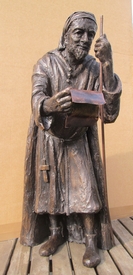
Chaucer Statue
The Chaucer in Canterbury Sculpture Project The Canterbury Commemoration Society has commissioned a sculpture commemorating the life of Geof…
Learning Resources
Activities for the classroom before and after your visit, engaging challenges during your trip and educational resources to get the most out…
Meet the Actors- #1 Prunella Scales
Welcome to the first in our series of ‘Meet the Actors’, which will span the next 6 weeks. We are introducing the talented actors who provid…
Where to start
If you are new to the poem, begin with Chaucer & the Tales. It introduces the poet, explains the framing device of the storytelling competition, and walks through the best known of the tales: the Knight's romance, the Miller's bawdy reply to it, the Wife of Bath's argument about marriage, the Nun's Priest's fable of the cockerel and the fox, and the Pardoner's sermon against the greed he practises himself.
The medieval England pages fill in the world the pilgrims came from: who could read, what people ate and wore, how trades and apprenticeships worked, and why a pilgrimage mattered enough to be worth the journey.
Teachers will find ready-made material in the education section, and anyone planning a trip can read about visiting Canterbury, still one of the most complete medieval cities in England.